

Easement vs. Right-of-Way: A Property Owner’s Guide
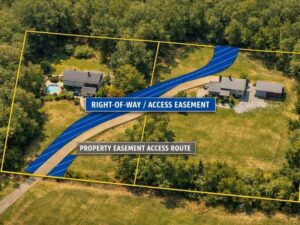 An easement is a legal right that lets someone else use part of your property for a specific purpose, even though you still own the land. A right-of-way is one type of easement. It gives someone the right to travel across your property, such as on a shared driveway or path. Every right-of-way is an easement, but not every easement is a right-of-way.
When you buy land, you own it. But owning land does not always mean you control every inch of it. Sometimes another person, a neighbor, or a utility company has a legal right to use a part of your property. These rights are called easements, and they are very common.
What is an easement?
An easement is a legal right that allows a person or company to use a portion of someone else’s land for a set purpose. The owner still holds the title to the land. The easement holder does not own the land, but they are allowed to use it in the way the easement describes.
Think of an easement as permission that is written into the legal record of a property. A common example is a utility easement. A power or water company may have the right to enter your yard to install and fix lines or pipes. You still own that strip of land, and you may still mow it and care for it. But you cannot block the company from doing its work there. Easements are usually listed in the property deed, so they stay in place even when the property is sold.
What is a right-of-way?
A right-of-way is a specific kind of easement that gives someone the legal right to pass through or travel across another person’s land. A shared driveway is a common example. The person with the right-of-way does not own that land. They only have the right to use it for travel.
Roads and sidewalks are good examples of rights-of-way. A homeowner may legally own the land under part of the road or sidewalk in front of their house. Even so, the public can use that strip to get around. The owner does not get paid for this and often still has to mow the grass next to a sidewalk. A private right-of-way works in a smaller way. It might let one neighbor drive across a corner of another neighbor’s land to reach their own home.
Easement vs. right-of-way: how are they different?
A right-of-way is always about the right to travel across land. An easement is a broader idea that can cover travel, but also other uses like running utility lines, keeping access for repairs, or sharing a well. So a right-of-way is one type of easement, while easements can cover many more situations.
Here is a simple way to keep them straight:
Feature | Easement | Right-of-Way |
What it allows | Many possible uses | Travel across land only |
Common examples | Utility lines, drainage, shared well | Driveway, road, path |
Who owns the land | The property owner | The property owner |
Is it the broader term? | Yes | No, it is one type of easement |
What are the main types of easements?
The two main categories are easement appurtenant and easement in gross. An appurtenant easement is tied to the land and passes to new owners when the property sells. An easement in gross is tied to a person or company, such as a utility provider, and usually does not transfer with the land.
Easement appurtenant
This type connects two pieces of land that sit next to each other. One property gets the benefit, and the other one carries the burden. A common example is a shared driveway that lets one owner reach a public road by crossing a neighbor’s lot. Because this easement is attached to the land itself, it stays in place when either property is sold.
Easement in gross
This type benefits a person or a company rather than a piece of land. The most common example is a utility easement. A power company may hold the right to run lines across your property no matter who owns it. This right belongs to the company, so it does not automatically pass to a new landowner the way an appurtenant easement does.
Prescriptive easement
This type can form when someone uses part of another person’s land openly and without permission for a long time. For example, if a person crosses the same path on your land every day for many years, they may gain a legal right to keep doing so. The rules and time limits for this vary from state to state.
How do easements affect property owners?
Easements can limit how you use part of your land. You may not be able to build, fence, or fully control the area covered by the easement. They can also affect privacy and, in some cases, resale value. On the other side, an easement may give you helpful access to a road, a utility, or a shared resource.
Before you buy a property, it is smart to learn about any easements on it. Easements often appear in the title report and the deed. Knowing about them early helps you avoid surprises later. For example, you may not want to plan a garage on a spot where a utility company has the right to dig. Understanding these rights up front lets you make better decisions about the land.
Frequently asked questions
Can an easement be removed?
Sometimes, but not easily. Once an easement is granted, it usually stays in place, even if the property is sold. It may end if both sides agree to cancel it, if a court orders it, or if the reason for it no longer exists. A real estate attorney can explain the options in your state.
Does an easement lower property value?
It can, depending on the type and location. An easement that covers a large or useful part of the land may make the property less appealing to some buyers. A small utility easement at the edge of a lot often has little effect. Each situation is different.
How do I find out if my property has an easement?
Check your title report and your property deed first. These documents usually list any recorded easements. Your local county records office may also have this information. If you are still unsure, a title company or real estate attorney can help you research it.